
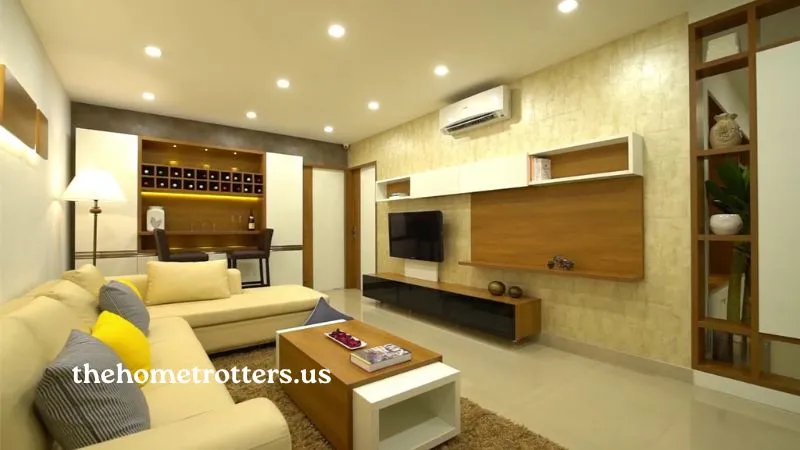
A well-designed home is not built in a day and it’s certainly not created by randomly placing trendy items in a room. At TheHomeTrotters, the philosophy is simple: home decor should feel intentional, personal, and deeply connected to how you live. Instead of chasing trends, focus on building a space that evolves with you, supports your daily routines, and reflects your identity.
This guide goes beyond basic tips to help you understand how great interiors actually work so you can design your home with confidence and clarity.
Understanding the Foundation of Good Design
Before choosing colors or furniture, it’s important to understand what makes a space feel “right.” Good home decor is a balance of three key elements: function, flow, and feeling. Function means your home should serve your needs effortlessly. A beautiful living room that lacks comfortable seating or proper lighting quickly becomes unusable.
Flow refers to how easily you can move through a space furniture placement, spacing, and layout all affect this. Feeling is the emotional response your home creates; it’s what makes a space feel calm, cozy, energizing, or inspiring. When these three elements work together, even a simple room can feel luxurious.
Designing with Purpose, Not Just Trends
One of the biggest mistakes homeowners make is decorating based on trends seen on social media. While inspiration is helpful, copying styles without adapting them to your space often leads to a disconnected look.
Instead, start by asking yourself how you want each room to feel. A bedroom might need to feel calm and restful, while a living room might be warm and welcoming. Once you define this emotional goal, every decor decision from color to lighting should support that vision.
Timeless interiors often rely on neutral foundations, not because they are boring, but because they allow flexibility. A neutral base lets you refresh your decor easily over time without starting from scratch.
The Power of Color and Light
Color is one of the most powerful tools in home decor, but it’s often misunderstood. Rather than focusing on individual colors, think in terms of palettes. A cohesive palette creates harmony, while random color choices create visual noise.
Natural light also plays a huge role in how colors appear. A shade that looks perfect in a store may feel completely different in your home depending on lighting conditions. This is why testing colors in your actual space is essential.
Lighting itself deserves more attention than it usually gets. A single overhead light rarely does justice to a room. Layered lighting combining ambient, task, and accent lighting creates depth and allows you to adjust the mood throughout the day. Warm lighting tends to make spaces feel more inviting, while cooler tones can feel clean and modern when used thoughtfully.
Furniture as the Backbone of Your Space
Furniture should never be an afterthought. It defines how a room is used and experienced. Instead of filling a room with multiple small pieces, consider investing in fewer, well-chosen items that anchor the space.
Scale is critical here. Oversized furniture in a small room can feel overwhelming, while tiny pieces in a large space can feel lost. The goal is balance. A well proportioned sofa, a thoughtfully placed table, or a distinctive chair can elevate the entire room without needing excessive decoration.
Placement matters just as much as the furniture itself. Pulling furniture slightly away from walls, creating conversation areas, and allowing breathing space between pieces can instantly make a room feel more refined.
Creating Depth Through Textures and Layers
A common reason homes feel flat or incomplete is the lack of texture. Even with a perfect color scheme, a room can feel lifeless if everything has the same finish.
Layering different materials such as wood, fabric, metal, and glass adds richness to your decor. Soft textiles like rugs, curtains, and cushions can make a space feel more comfortable, while harder materials provide contrast and structure.
The key is subtlety. Instead of overwhelming a room with too many competing elements, aim for a balanced mix that feels natural. Texture should enhance the space, not dominate it.
Making Walls Work for You
Walls are often underutilized in home decor. Leaving them completely empty can make a space feel unfinished, but over-decorating them can create clutter.
The most effective wall decor tells a story. This could be through art, photographs, or even a carefully styled shelf. The goal is not to fill space, but to create meaning.
Large statement pieces often work better than multiple small items, especially in modern homes. They create a focal point and reduce visual chaos. Mirrors are another powerful tool they reflect light, create the illusion of space, and add elegance without overwhelming the room.
Bringing Nature into Your Home
Natural elements have a unique ability to make a home feel alive. Incorporating greenery, even in small amounts, can improve both the look and feel of a space.
Plants soften hard edges, introduce organic shapes, and create a calming atmosphere. They also help connect indoor spaces with the outside world, which is especially valuable in urban environments.
If maintaining real plants feels challenging, even natural materials like wood, stone, or woven textures can achieve a similar effect.
The Role of Organization in Good Design
No amount of decoration can compensate for clutter. A well-decorated home must also be well-organized.
This doesn’t mean your home should feel empty or overly minimal. Instead, it should feel intentional. Every item should have a place, and surfaces should be free from unnecessary distractions.
Smart storage solutions can help maintain this balance. Hidden storage keeps your home functional, while selective display ensures that only meaningful or beautiful items are visible.
Personalization: The Element That Truly Matters
What separates a stylish home from a meaningful one is personalization. Your home should reflect your experiences, memories, and personality.
This doesn’t require expensive items. A simple photograph, a souvenir from a meaningful trip, or a piece of handmade decor can add more value than any designer object.
The goal is to create a space that feels uniquely yours one that tells your story without needing explanation.
Evolving Your Home Over Time
A common misconception is that home decor must be completed all at once. In reality, the best homes evolve gradually.
Take time to understand your space. Live in it. Notice what works and what doesn’t. Make changes slowly and thoughtfully. This approach not only reduces unnecessary spending but also leads to more authentic and satisfying results.
At TheHomeTrotters, the idea is not to rush perfection, but to enjoy the process of creating a home that grows with you.
Final Thoughts
Great home decor is not about copying what looks good in pictures it’s about creating a space that works for your life. When you focus on balance, purpose, and personal expression, even the simplest interiors can feel extraordinary. Your home should not just look beautiful. It should feel right every time you walk into it.