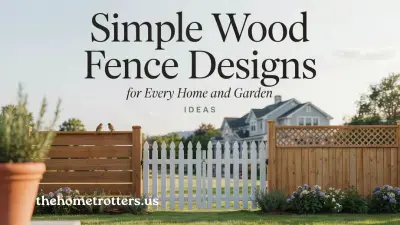
A simple wood fence is one of the best ways to improve your home’s privacy, security, and curb appeal without spending a fortune. Wood fences have a natural look that matches almost every home style, from modern houses to country cottages.
Whether you want to keep pets safe, create a private backyard, or simply make your yard look better, there are many simple wood fence designs to choose from. This guide explains the most popular styles, their benefits, costs, and tips for choosing the right fence for your property.
Why Choose a Simple Wood Fence?
Wood fences remain one of the most popular fencing options because they are attractive, affordable, and easy to customize.
Some of the biggest benefits include:
- Natural and timeless appearance
- Budget-friendly compared to many other fencing materials
- Easy to paint or stain
- Available in many styles and heights
- Repairs are usually simple
- Increases privacy and property value
With proper maintenance, a quality wood fence can last 15 to 20 years or more.
Popular Simple Wood Fence Designs
Privacy Wood Fence
A privacy fence uses tightly placed vertical boards with little or no space between them. It creates a solid barrier that blocks views into your yard.
This design is perfect for:
- Backyards
- Swimming pools
- Outdoor living spaces
- Homes close to neighbors
Privacy fences are commonly built between 6 and 8 feet tall.
Picket Wood Fence

The classic picket fence is one of the most recognizable fence designs. It features evenly spaced vertical boards attached to horizontal rails.
This style works well for:
- Front yards
- Cottage homes
- Traditional houses
- Garden borders
Picket fences provide decoration without making the yard feel closed off.
Horizontal Wood Fence
Horizontal fencing has become very popular in modern home design. Instead of vertical boards, the wood runs sideways.
Benefits include:
- Clean modern appearance
- Makes small yards appear larger
- Excellent curb appeal
- Easy to customize with different board widths
Homeowners often choose cedar or redwood for horizontal fences because they resist weather damage.
Split Rail Fence
A split rail fence uses two or three horizontal rails with large gaps between them.
This simple design is ideal for:
- Farms
- Ranches
- Large properties
- Country homes
While it does not provide privacy, it creates clear property boundaries and has a charming rustic look.
Board-on-Board Fence
This design overlaps vertical boards, leaving no direct gaps.
Advantages include:
- Extra privacy
- Better wind protection
- Attractive appearance from both sides
- Increased durability
Although slightly more expensive than basic privacy fencing, many homeowners appreciate its premium look.
Shadowbox Fence
A shadowbox fence places boards on alternating sides of the rails.
This creates:
- Partial privacy
- Better airflow
- Attractive appearance from both sides
- Reduced wind resistance
Shadowbox fences are a good choice for areas with frequent strong winds.
Dog-Ear Wood Fence
Dog-ear fences feature vertical boards with clipped top corners.
This style offers:
- Clean appearance
- Simple construction
- Good privacy
- Lower installation cost
It is one of the most common residential fence designs.
Lattice Top Fence
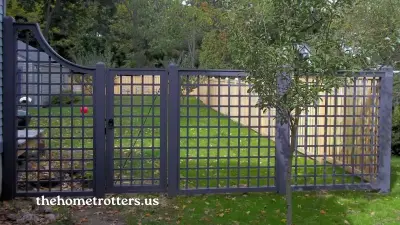
A lattice-top fence combines a solid wood fence with decorative lattice panels across the top.
This design offers:
- Extra style
- Better airflow
- Decorative appearance
- Added height without feeling too enclosed
Many homeowners grow climbing plants through the lattice for a beautiful natural look.
Best Wood Types for Simple Fences
Choosing the right wood affects both appearance and lifespan.
Cedar
Cedar is naturally resistant to insects and rot. It requires less maintenance and has a beautiful natural color.
Pine
Pressure-treated pine is affordable and widely available. It is a great option for homeowners on a budget.
Redwood
Redwood offers outstanding beauty and durability. It naturally resists moisture and insects but costs more than pine.
Cypress
Cypress is another durable wood that performs well in humid climates.
Choosing the Right Fence Height
Fence height depends on your needs.
| Purpose | Recommended Height |
|---|---|
| Decorative front yard | 3–4 feet |
| Garden | 3–4 feet |
| Pet fence | 4–5 feet |
| Backyard privacy | 6 feet |
| Maximum privacy | 7–8 feet |
Always check your local building regulations before installing a fence.
Wood Fence Design Ideas
If you want a fence that stands out, consider these simple upgrades:
- Paint the fence white for a classic look.
- Apply a natural wood stain to highlight the grain.
- Add decorative post caps.
- Install solar fence lights.
- Include a matching wooden gate.
- Plant flowers or shrubs along the fence line.
- Add climbing vines to a lattice section.
Small design changes can make a basic fence look much more expensive.
How Much Does a Simple Wood Fence Cost?
Several factors affect the total cost, including wood type, height, labor, and property size.
Typical price ranges include:
- Basic pine fence: $15–$30 per linear foot
- Cedar fence: $25–$45 per linear foot
- Redwood fence: $35–$60 per linear foot
DIY installation can reduce labor costs if you have the necessary tools and experience.
Wood Fence Maintenance Tips
Regular maintenance helps your fence stay attractive for many years.
Follow these simple steps:
- Clean dirt and mold once or twice each year.
- Apply stain or sealant every 2–3 years.
- Replace damaged boards quickly.
- Trim plants that trap moisture against the fence.
- Check posts regularly for movement or rot.
These simple tasks can significantly extend the life of your fence.
Mistakes to Avoid
Many homeowners make small mistakes that shorten the life of a wood fence.
Avoid these common problems:
- Using untreated wood outdoors
- Skipping waterproof sealant
- Setting posts too shallow
- Ignoring drainage around the fence
- Waiting too long to repair damaged boards
Planning ahead can save both time and money.
How to Choose the Best Simple Wood Fence Design
Think about your main goal before choosing a design.
If privacy is most important, choose a privacy fence or board-on-board fence.
If appearance matters most, a horizontal fence or lattice-top fence creates a stylish look.
For large rural properties, a split rail fence offers a classic, low-cost solution.
For front yards, a picket fence remains one of the most attractive and welcoming options.
Frequently Asked Questions
What is the cheapest wood fence design?
A basic pressure-treated pine privacy fence is usually the most affordable option.
Which wood lasts the longest?
Cedar and redwood are among the longest-lasting woods because they naturally resist insects and decay.
Is a horizontal fence more expensive?
Yes. Horizontal fences often require thicker boards and more careful installation, making them more expensive than standard vertical fences.
How long does a wood fence last?
A well-maintained wood fence typically lasts between 15 and 20 years, depending on the wood species and local weather conditions.
Can I paint a wood fence?
Yes. You can paint or stain a wood fence to match your home’s style while protecting it from moisture and sunlight.
Final Thoughts
Simple wood fence designs prove that you don’t need an expensive or complicated project to transform your outdoor space. Whether you prefer the timeless charm of a picket fence, the privacy of a solid wood fence, or the sleek appearance of a horizontal design, there is an option for every budget and home style.
By selecting quality materials, installing the fence correctly, and performing regular maintenance, you can enjoy a beautiful wood fence that adds value, security, and lasting curb appeal for many years.